Eco-Friendly Landscaping: Sustainable Practices for a Greener Future Jul 11, 2026
The foundation of eco-friendly landscaping starts with smart planning. Soil health is paramount, and determining the right plants for your soil type is a sustainable practice that can significantly impact the ecosystem. Native plants are a cornerstone of sustainable landscaping. They require less water and maintenance than non-native varieties, making them an environmentally friendly choice. Furthermore, native plants are more resistant to local pests and diseases, reducing the need for chemical interventions.
Water conservation is another critical aspect of sustainable landscaping. At Wildwood Landscaping, we utilize several techniques to minimize water usage while keeping your landscape lush and vibrant. Drip irrigation systems are an excellent choice for efficient water use, delivering moisture directly to the roots where it's needed most. Rainwater harvesting systems are also gaining popularity, allowing homeowners to collect and use rainwater for irrigation purposes.
In addition to plant selection and water conservation, soil health is crucial for an eco-friendly landscape. Composting is a simple yet effective method to enrich your soil, providing essential nutrients that improve plant growth. By integrating organic mulch, you can prevent soil erosion, retain moisture, and suppress weed growth, contributing to the overall sustainability of your garden.
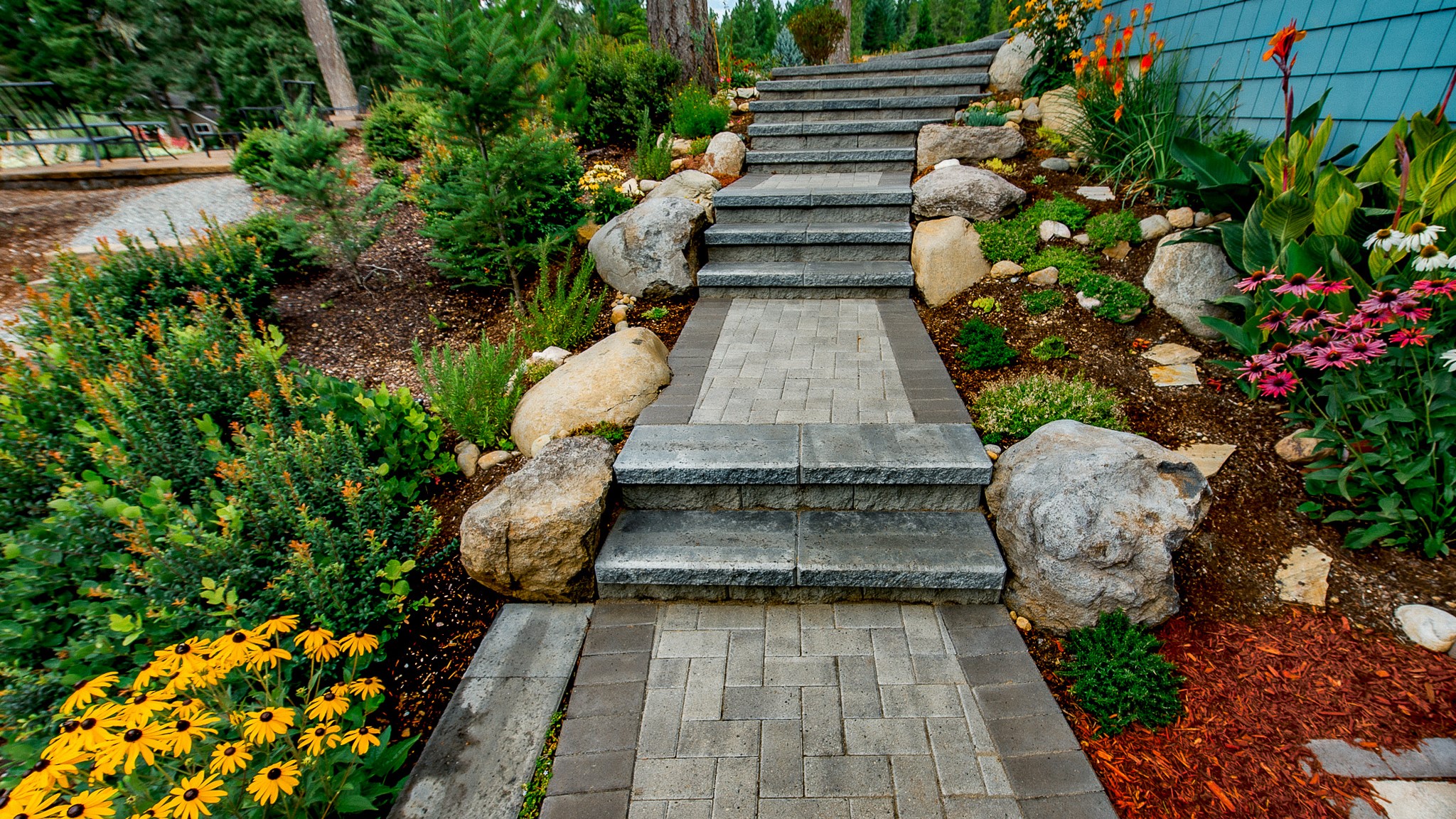
When it comes to hardscaping, choosing sustainable materials can significantly reduce the environmental impact. Instead of conventional concrete, consider using permeable pavers or recycled materials. These alternatives not only offer aesthetic appeal but also allow water to percolate through, reducing runoff and mitigating flood risks.
Another aspect of reducing environmental impact is through sustainable lawn care practices. Minimizing the size of your lawn can reduce water consumption and the need for chemical fertilizers. Opting for alternatives like clover lawns, which require less maintenance, can create resilient, eco-friendly green spaces. Additionally, reducing or eliminating the use of gas-powered lawn mowers and instead using electric or manual options can significantly cut down on greenhouse gas emissions.
Finally, supporting local wildlife should be an integral part of any eco-friendly landscaping plan. Creating a habitat that attracts beneficial insects, birds, and pollinators can enhance biodiversity and contribute to a balanced ecosystem. By incorporating elements such as bird baths, bee hotels, and native flowering plants, you create a sanctuary that encourages wildlife to thrive.
The journey to a sustainable landscape may take time and careful planning, but the results are rewarding. Not only will you enjoy a beautiful and thriving outdoor space, but you'll also take pride in knowing that your landscape contributes positively to the environment.
At Wildwood Landscaping, we are committed to helping you achieve your sustainability goals. Whether you're starting from scratch or revamping an existing garden, our team of experts is here to guide you in creating a landscape that reflects your eco-friendly values. Contact us today to learn more about our sustainable landscaping practices and how we can help you cultivate a greener future.
/filters:no_upscale()/filters:format(webp)/media/36b9c1dd-0e48-4b81-9399-c80263948f92.jpeg)
/filters:no_upscale()/filters:format(webp)/media/4e39e26e-8eee-4d64-a3d6-4849fbb555b0.jpeg)