Five Eco-Friendly Landscaping Trends for 2024 Jul 27, 2026
To kick off, native plant landscaping is a trend that continues to gain traction. Native plants are inherently adapted to local weather patterns and soil conditions, making them less reliant on artificial irrigation and chemical fertilizers. By choosing plants indigenous to your area, you create a self-sustaining ecosystem right in your backyard. This practice not only reduces water consumption but also supports local wildlife, including beneficial insects and birds, fostering a thriving biodiversity. As a result, your garden transforms into a natural haven, pulsating with life and color.
Next on the list is the rise of rain gardens, a perfect solution to manage stormwater runoff efficiently. Rain gardens are shallow depressions planted with deep-rooted native vegetation. These gardens are designed to absorb rainwater from roofs, driveways, and other impervious surfaces, preventing waterlogging and soil erosion. Besides their functional benefits, rain gardens add a picturesque charm to any landscape, bringing an enchanting blend of form and functionality. Incorporating a rain garden into your landscaping plan is a step towards a water-wise and resilient garden that adapts seamlessly to the whims of nature.
The third trend catching attention is the concept of edible landscapes. Imagine your garden not only pleasing to the eyes but also serving as a culinary delight. By integrating vegetables, herbs, and fruit-bearing plants into your landscaping, you create a space that is both productive and sustainable. Edible landscapes encourage healthier lifestyles and reduce food miles, usually associated with transporting produce from farms to homes. Choose plants that serve both an aesthetic and nutritional purpose, transforming your garden into an eco-friendly and self-sufficient oasis.
Another eco-conscious trend is efficient irrigation systems. Reducing water waste is a critical focus for sustainable landscaping. Drip irrigation systems, which deliver water directly to the plant base, minimize evaporation and ensure that every drop is effectively utilized. Smart irrigation systems equipped with sensors that monitor soil moisture and climate conditions can significantly enhance water efficiency. Investing in these technologies supports both environmental conservation efforts and your savings on utilities, making them a practical choice for any forward-thinking landscaper.
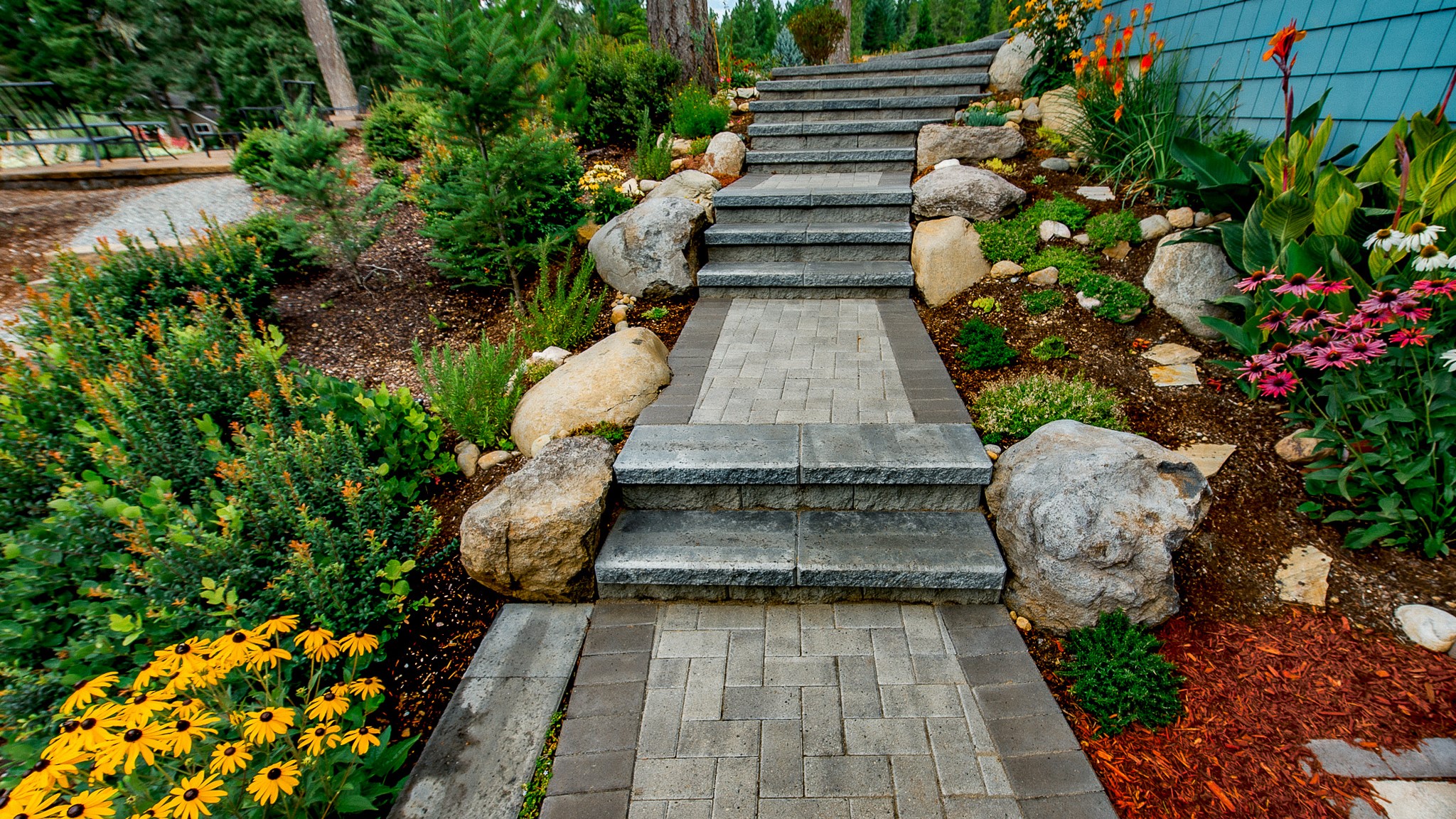
Lastly, sustainable hardscaping is enriching landscapes with durable, eco-friendly materials. Opt for permeable paving solutions that allow water to percolate back into the ground, reducing runoff. Incorporating recycled or locally sourced materials for pathways, decks, or garden structures cuts down on environmental impact. Utilizing solar-powered outdoor lighting further adds to energy conservation efforts. Sustainable hardscaping seamlessly blends functionality with aesthetics, enhancing your outdoor space while minimizing its carbon footprint.
In conclusion, integrating these eco-friendly landscaping trends not only elevates the aesthetic appeal of your outdoor area but also underscores your commitment to environmental stewardship. As a customer of Wildwood Landscaping, you have the opportunity to lead by example, creating spaces that are as nourishing to the planet as they are to the soul. Together, we can cultivate landscapes that are not just beautiful, but also beneficial to the world we inhabit. Embrace these trends and make your garden a testament to sustainable living.
/filters:no_upscale()/filters:format(webp)/media/36b9c1dd-0e48-4b81-9399-c80263948f92.jpeg)
/filters:no_upscale()/filters:format(webp)/media/4e39e26e-8eee-4d64-a3d6-4849fbb555b0.jpeg)