Sustainable Landscaping: Eco-Friendly Practices for a Greener Yard Jul 18, 2026
To begin your journey toward sustainable landscaping, start with native plantings. Selecting native plants is one of the simplest ways to create an eco-friendly yard. These plants are well-suited to the local climate and soil conditions, reducing the need for chemical fertilizers, pesticides, and excessive watering. Native plants attract local wildlife, including beneficial pollinators such as bees and butterflies, thus contributing to a thriving local ecosystem.
Next, consider incorporating efficient irrigation techniques. Overwatering not only wastes precious resources but can also harm plants and erode soil. Drip irrigation systems are an excellent choice for sustainable landscaping, as they deliver water directly to the plant roots, minimizing evaporative losses. Additionally, installing rain barrels to capture rainwater can significantly decrease your dependency on municipal water sources.
Soil health is another crucial component of sustainable landscaping. Healthy soil promotes robust plant growth and reduces the need for synthetic fertilizers. Start by conducting a soil test to understand its composition and nutrient levels. Amend your soil with organic matter, such as compost, to improve its structure and fertility. This practice not only enhances plant growth but also aids in carbon sequestration, thereby reducing greenhouse gases.
Mulching is an effective and simple method to enhance the sustainability of your yard. Organic mulches such as leaves, bark, or straw, help retain soil moisture, suppress weeds, and add nutrients as they decompose. By maintaining even soil temperatures, mulch also protects plant roots, leading to healthier, more resilient plants.
Pest management in sustainable landscaping focuses on prevention and natural solutions. Encouraging biodiversity by planting a variety of species can naturally reduce pest populations. Companion planting, which involves growing certain plants together that benefit each other, can deter pests without the use of chemicals. In cases where intervention is necessary, organic solutions such as neem oil or insecticidal soaps are effective alternatives to synthetic pesticides.
Composting is not only a fantastic way to reduce waste but also enriches your garden soil. Start by collecting kitchen scraps, lawn clippings, and fallen leaves, and allow them to decompose into a nutrient-rich soil amendment. This practice not only closes the loop in the nutrient cycle but also reduces the carbon footprint associated with excess waste.
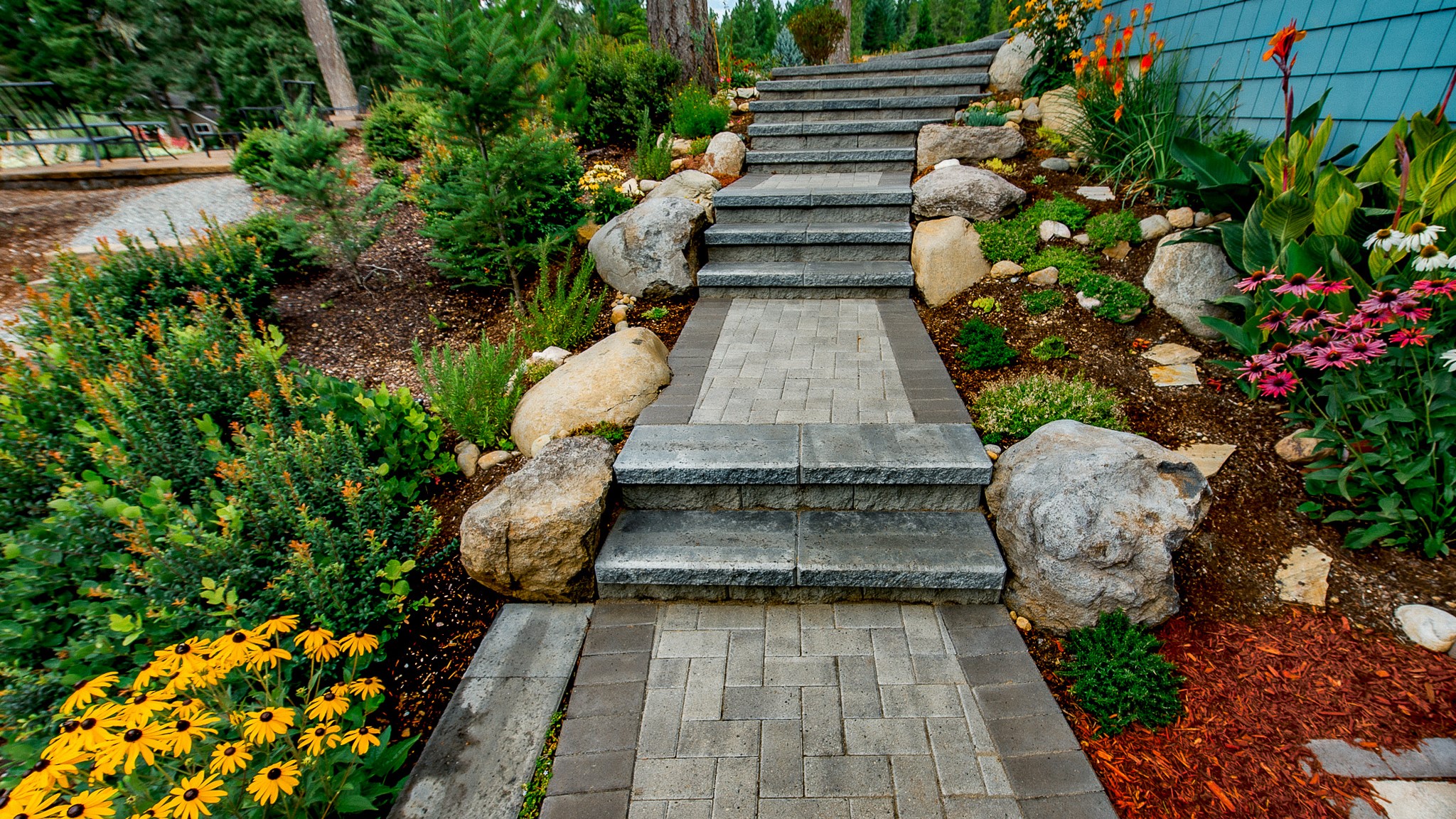
Finally, consider embracing renewable and recycled materials in your landscape design. Using stone, repurposed brick, or reclaimed timber for hardscaping reduces the demand for new materials. By integrating these sustainable materials, you reduce environmental impact and create a unique, character-rich garden space.
In conclusion, sustainable landscaping is a rewarding endeavor that benefits both the environment and the home landscape. By utilizing native plantings, efficient water systems, and organic materials, Wildwood Landscaping can help you transform your yard into an eco-friendly oasis. These practices not only enhance your garden's beauty and resilience but also align with broader conservation goals. Embrace sustainable landscaping today and enjoy the rewards of a greener, more sustainable environment.
/filters:no_upscale()/filters:format(webp)/media/36b9c1dd-0e48-4b81-9399-c80263948f92.jpeg)
/filters:no_upscale()/filters:format(webp)/media/4e39e26e-8eee-4d64-a3d6-4849fbb555b0.jpeg)